Two years ago I had a kitchen bin that filled up in three days flat. Not because we ate a lot — because almost everything that went into it was packaging we'd paid for and thrown away within minutes. That realisation annoyed me more than any eco-article ever had. So I started experimenting, badly at first, and I'll tell you now: the habits that actually stuck were the boring, small ones. Not the glass jars on Instagram.
If you're looking for easy zero waste habits for beginners at home, forget the perfect pantry aesthetic. The version that survives a normal week looks a lot messier — and it costs less.
Key Takeaways
- Start with one room, not the whole house. Trying to fix everything at once is the fastest way to quit.
- The cheapest zero waste habits are also the easiest: less buying, more repairing, and one refillable bottle.
- Aim for progress, not perfection. I still buy packaged pasta when I'm tired.
- Track one number for a month — bin bags, plastic items, whatever. Seeing it move keeps you going.
- Cost is rarely the barrier. Most beginner habits save money rather than cost it.
What zero waste actually means at home (hint: not zero)
The name is the problem. "Zero waste" sounds like a target you either hit or fail, and almost nobody hits it. Bea Johnson, whose 2008 book Zero Waste Home made the phrase famous, framed it as a hierarchy: refuse first, then reduce, reuse, recycle, and only then rot (compost). Recycling sits near the bottom. That order matters more than any product you can buy.
The refuse step nobody talks about
Refusing is the step people skip, and it's the one that does the heavy lifting. It means turning down the free pen at the conference, the plastic bag you didn't need, the promotional tote you'll never use. No bin required. No sorting required. You just don't create the waste in the first place.
I keep a short mental list of things I refuse automatically now. It took maybe two weeks to build and it's saved me more hassle than any recycling setup ever did:
- Plastic bags at the till — I keep two cloth ones folded in my jacket pocket
- Single-use cutlery when ordering takeaway, which means saying it out loud at the counter
- Free promotional items I know will sit in a drawer
- Bottled water, except when I've genuinely forgotten my bottle and it's 35°C
- Paper receipts when a digital one is offered
Notice none of that requires buying anything. That's the part the glossy version leaves out.
Easy zero waste habits, room by room
Whole-house overhauls fail. Room-by-room works, because each space has its own waste pattern — and once you see the pattern, the fix is usually obvious.
Kitchen: where the biggest wins hide
Your kitchen bin is the most honest record of your habits. Mine was mostly food scraps, plastic film and coffee packaging. Three fixes killed about two thirds of that volume, and none of them were expensive.
Compost is the single highest-impact kitchen habit. If you have a garden, a simple lidded bin does the job. If you don't, a countertop bokashi system or a shared neighbourhood compost point works fine. You'll notice the difference within a month — mine went from a full bin bag every three days to roughly one a week.
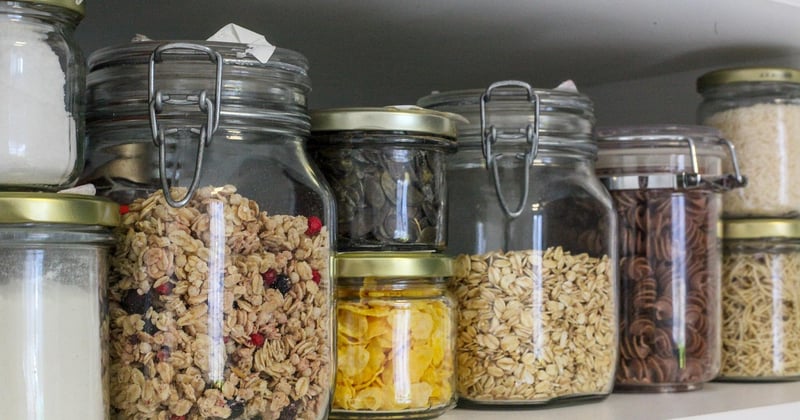
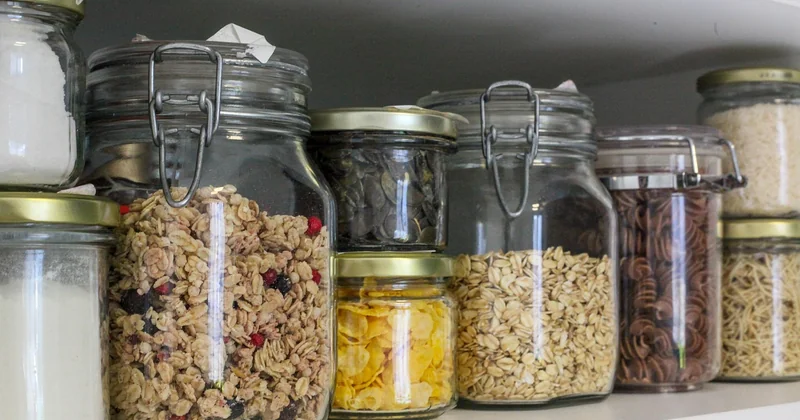
For shopping, reusable produce bags and a couple of jars for bulk dry goods cover most of it. I'll be honest: bulk shopping takes longer at first. Once you know your shop's layout and weigh your jars at home beforehand, it adds maybe four minutes to a weekly trip.
Bathroom: the plastic-heavy zone
Bathrooms generate a shocking amount of disposable plastic for the small amount of time we spend in them. Solid soap bars, a bamboo or metal razor, and refillable shampoo are the three swaps that cover most of the shelf. A bar of soap lasts me roughly six weeks; the plastic pump bottle it replaced lasted about the same and cost more per use.
One thing I got wrong early on: I bought a full set of "zero waste" bathroom products in one go, spent about €60, and ended up disliking half of them. Buy one item, use it to the end, then decide. That rule has saved me a lot of money since.
Laundry and office: the forgotten corners
Laundry is where quiet waste accumulates. Dryer sheets, single-use lint rollers, plastic detergent jugs. Wool dryer balls are a one-time purchase that lasts years. Detergent in a refillable container or as a concentrated strip removes the jug entirely.
Desks are similar. Paper is the obvious one, but printer cartridges, sticky notes and cheap pens add up. Going digital where you can, and buying refillable pens, handles most of it without much thought.
Which zero waste habits actually save you money?
This is where the beginner advice usually goes vague. So here's a rough comparison based on what I actually tracked over a year. Your prices will differ, but the pattern holds almost everywhere.

| Habit | Upfront cost | Typical yearly saving | Effort to start |
|---|---|---|---|
| Reusable shopping bags | Low | Modest | Very low |
| Refillable water bottle | Low | High if you buy bottled water | Very low |
| Home composting | Low to medium | Small, but cuts bin volume a lot | Medium |
| Soap bars instead of pumps | Very low | Modest | Very low |
| Repairing instead of replacing | Near zero | Highest of all | Medium |
| Buying second-hand clothing | Near zero | High | Low |
The pattern is clear: the habits with the lowest entry cost tend to save the most. Which is the opposite of what most beginner guides suggest, since they lead with shopping for special products.
Are any zero waste products actually worth buying?
A few, yes — but far fewer than the shops would like. Reusable bags, a water bottle, a set of produce bags, wool dryer balls and a decent compost bin cover almost every beginner need. Everything else can wait until you've used up what you already own. That last point is the one I'd defend hardest: finishing the plastic bottle you already have is more zero waste than buying a beautiful glass replacement.
The habits that fail, and why
Most beginners quit because they start with the hardest swap. For me it was attempting a fully package-free grocery shop in week one. I spent an hour and a half in the shop, came home with less food than usual, and ate takeaway that night. Complete failure, and entirely predictable.
The swaps that survive are the ones tied to an existing routine. You already brush your teeth, so changing the toothpaste is easy. You already do laundry, so switching to dryer balls costs nothing in extra effort. Habits attached to nothing tend to evaporate within a fortnight.
One more honest note: some swaps simply don't work for everyone. Bulk shopping assumes a shop nearby. Composting assumes space or a collection point. If a habit doesn't fit your life, skip it and pick a different one. There's no prize for suffering through the one that doesn't fit.
Tracking progress without obsessing
Pick one number and watch it for a month. Bin bags per week is the easiest, because you can't fake it. I went from three bags a week to one, then plateaued there for months — and that plateau was fine. Perfection isn't the goal; noticing is.
Zero waste at home, for a beginner, comes down to a handful of unglamorous moves: refuse what you can, compost what you can't eat, refill instead of rebuy, and repair before replacing. None of it requires a special budget or a redesigned pantry. It requires a fortnight of mild inconvenience and then it just becomes how you live.
The bin is still there. It's just emptier, and I notice it less — which, I think, is the whole point.