
How to create a low waste kitchen on a budget
The email that finally broke my resistance came from my bank, not a sustainability blog. It was a spending summary for the previous month, and one line jumped out: $287 on "household and groceries." Only two people live in my apartment. Most of that money had bought packaging, paper towels, and food that went soft in the fridge before I touched it.
But here's the trap nobody warns you about. When I first tried to fix this, I did what most people do: I went shopping. Glass jars. Beeswax wraps. A set of organic cotton produce bags. I spent around $140 in a single afternoon trying to become a low waste household, and three months later half of it sat in a drawer. That's the moment I understood the actual problem. A low waste kitchen isn't a product you buy. It's a set of habits you build, and the cheap version works better than the expensive one.
So this is the honest version. What actually cut my waste, what it cost, and where the break-even point sits for each swap.
Key Takeaways
- Most low waste swaps pay for themselves in under a year, and the cheapest ones (free) pay back instantly.
- Skip the "zero waste starter kit." Build from what you already own for the first month.
- Food waste is usually the biggest money leak in a kitchen, ahead of paper towels and plastic bags combined.
- Buying in bulk only saves money if you actually finish what you buy. Otherwise it's just expensive storage.
- Your local library, buy-nothing group, or municipal compost program can replace hundreds of dollars of gear.
- The goal is fewer bags leaving your house, not a perfectly curated pantry shelf.
What a low waste kitchen actually means (and what it doesn't)
You don't need to produce one jar of trash per year. That framing has done real damage, because it turns a practical money-saving exercise into a moral performance, and most people quit within weeks.
A low waste kitchen, in practice, means three things: you buy less packaging, you throw away less food, and you reuse what you already have instead of replacing it. That's it. No aesthetic requirement. Your mismatched yogurt containers are doing the same job as a $12 set of matching glass jars.
The perfection trap
I want to be blunt here, because I wasted months on this. My first attempt failed because I was optimizing for how my kitchen looked rather than how much trash left the building. Photogenic pantries and low waste are not the same project. Once I stopped photographing my shelves and started tracking my bin, things moved fast.
Why the budget angle matters more than the eco angle
Sustainability messaging often assumes you have money to spare. That's backwards. A household throwing away a third of the food it buys is losing real money every single week, and that loss hits hardest when the budget is already tight. Cutting waste is one of the few green habits that pays you back.
So the order of operations matters. Start with the swaps that cost nothing and save the most. Then, with the money you've freed up, invest in the durable stuff.
Start with food waste: the highest-return move in any kitchen
Paper towels get all the attention. Food gets all the money.

When I finally audited my own bin for two weeks, the pattern was depressing in its predictability. Half a bunch of cilantro, wilted. A quarter loaf of bread, rock hard. Three lemons I bought for one recipe and never used again. None of that was a packaging problem. It was a planning problem.
The two-week bin audit that costs nothing
Before you buy anything, spend two weeks writing down every food item you throw away and roughly what it cost. No app, no spreadsheet required. A note on your phone works.
What you'll almost certainly find is that the same three or four items show up again and again. For me it was herbs, bread, and half-used vegetables. Fixing those three categories cut my grocery spend by roughly a fifth within two months. That's money back in your pocket before you've spent a cent on gear.
Storage tricks that prevent waste
- Wrap leafy herbs in a slightly damp cloth and keep them in the coldest part of the fridge. They last considerably longer.
- Freeze bread the day you buy it, sliced. Toast straight from frozen.
- Keep a "use first" box at eye level in the fridge. Anything nearing the end goes there, visible.
- Learn one flexible recipe you can throw odds and ends into. Mine is a soup that has never once been the same twice.
The point isn't perfection. It's making the food you already paid for visible before it turns.
The cheap swaps that actually pay off (with real numbers)
Now the gear, but only the stuff worth it.
The reusable swap everyone starts with is paper towels. Here's how the math worked for my household: we were going through roughly a roll every four days, which is about seven or eight rolls a month. A pack of six decent rolls costs somewhere around $12 to $15 where I live. So call it $20 a month, or $240 a year, on something whose only job is to be thrown away.
The replacement was a stack of cut-up old cotton t-shirts and a few cheap bar towels. Cost: zero, because the shirts were already destined for the bin. I did eventually buy a small laundry basket to keep them in, which set me back about $8. That basket paid for itself in the first two weeks.
The catch, and I won't pretend otherwise: you now do more laundry. If you're already running loads regularly, the marginal cost is close to nothing. If you're not, factor that in. For us it added maybe one extra load every ten days.
Break-even comparison: where each swap lands
| Swap | Upfront cost | Typical annual saving | Break-even point |
|---|---|---|---|
| Paper towels → cut-up cloths | $0–$10 | Roughly $200+ | Under a month |
| Plastic bags → tote bags you own | $0 | Small, but constant | Immediate |
| Food waste reduction | $0 | Often $300–$600 | Immediate |
| Bulk bin purchases (needs jars) | $0–$40 | Varies widely | 3–6 months |
| Beeswax wraps (vs. plastic wrap) | $15–$25 | Modest | 8–14 months |
| Full "zero waste starter kit" | $100–$200 | Often negative at first | Sometimes never |
Look at the bottom row. That's the mistake I made. The kit is the slowest thing to pay off, and it's the first thing most guides tell you to buy.
Reuse what you already own before buying anything "green"
Here's the thing nobody selling you a solution wants to say out loud: the most sustainable object in your kitchen is the one already sitting in it.
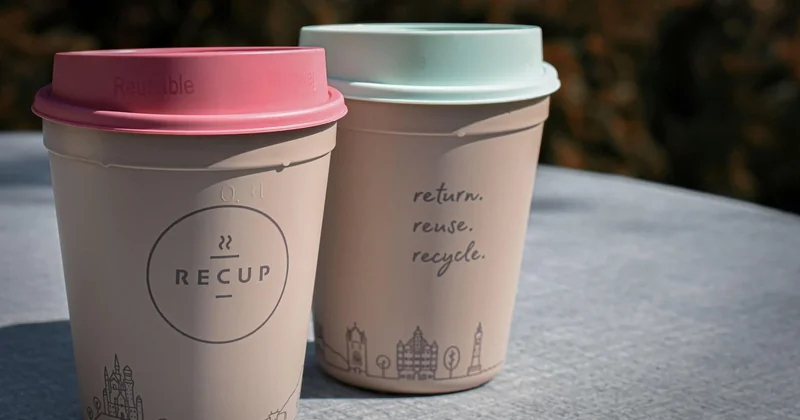
A reused glass jar has a lower footprint than a new one, even a new one made from recycled glass. Same logic applies to containers, bags, and cloths. So before any purchase, do a walkthrough of your own home.
- Old t-shirts and towels: cut into rags. They outperform paper for most cleaning jobs.
- Glass jars from sauces and pickles: soak off the label, and you have free bulk storage.
- Mismatched takeout containers: they work fine for the freezer.
- That tote bag mountain in your hallway closet: that's your produce and shopping bag supply for years.
I'll be honest, I resisted this for a while because mismatched jars felt messy. Then I noticed something: the tidy matching set broke within a year, and the pickle jars are still going strong.
The free resources most people never check
Before buying a single item, check three things in your area. A local buy-nothing or free-cycle group, which is where people offload jars, cloths, and containers constantly. Your public library, which in many places now lends not just books but tools and occasionally kitchen equipment. And your municipality, because a surprising number of cities offer subsidized or free compost bins and collection services.
I got a stack of quality cloth napkins and a dozen jars for nothing from a neighbor who was moving. Total retail value, call it $40. Total cost, a five-minute message.
Bulk buying without overspending
The bulk aisle is a trap dressed as a solution.
Yes, buying dry goods loose cuts packaging dramatically. But every bulk bin article skips the part where you buy two kilos of something you've never cooked, and it sits in a jar going stale for a year. I did this with a bag of dried chickpeas that turned out to require a soaking schedule I was never going to keep.
So the rule I use now: buy bulk only for the things you already finish regularly. For me that's rice, oats, and pasta. Everything else, I buy smaller and finish it.
Bulk sections are also often, counterintuitively, not cheaper per unit than packaged supermarket own-brand versions. Weigh both. Sometimes you're paying a premium for the pleasure of feeling virtuous, and that premium adds up fast.
A realistic four-week starting plan
Here's the sequence I'd give anyone starting from zero, in the order I wish someone had given it to me.

- Week one: Audit your bin. Write down what you throw away and what it cost.
- Week two: Cut up old cloths and gather jars. Spend nothing.
- Week three: Shop your cupboards before the store. Plan meals around what's already there.
- Week four: Add bulk buying for the two or three items you reliably use, and only then consider any purchase.
By week four, most people find they've spent close to nothing and changed the most expensive habits already. The fancy gear can wait. Honestly, some of it can wait forever.
Where this actually gets hard
I don't want to sell you a fantasy. Two things genuinely complicate the budget version of all this.
The first is time. Rinsing jars, doing the extra laundry, planning meals around leftovers—it costs minutes, not dollars, and some weeks you won't have them. That's fine. The whole thing still works at half speed.
The second is availability. If there's no bulk section within reach, or your council doesn't run a food waste collection, you can't optimize your way around infrastructure that isn't there. That's not a personal failing, and no amount of curated pantry photos changes it. Work with what your area actually offers.
Start with the bin audit. It costs nothing, and it'll tell you more about your own kitchen than any guide on the internet. Mine told me I was spending $287 a month and throwing a good chunk of it away. That number was the real starting point, not the glass jars I bought afterward.
What's the one item that shows up in your bin week after week? That's where your first dollar of savings is hiding.